510 Thread Cartridges vs Disposable Vapes: What’s the Difference and Which Hardware Fits Your Needs?

Navigating the modern vapor hardware market requires a clear understanding of the structural and functional options available to consumers and commercial enterprises. For adult consumers, oil brands, and wholesale procurement managers, selecting the appropriate hardware layout is a vital step that influences brand perception, cost-effectiveness, and the overall user experience. As a specialized hardware manufacturer, iKrusher provides multi-format options engineered to accommodate diverse oil viscosities and market demands. This guide offers an objective evaluation of the two most prominent device architectures: standalone threaded components and fully integrated systems.
When developing a product line or choosing a personal setup, the decision often comes down to balancing open-system flexibility against out-of-the-box convenience. Evaluating the specific mechanics of all-in-one disposable vape hardware alongside modular components helps buyers make informed decisions that align with their operational budgets and consumption preferences. This analysis covers technical specifications, long-term costs, environmental factors, and customization features to help determine which format best suits your specific requirements.
What Is a 510 Thread Cartridge and How Does the Modular System Work?
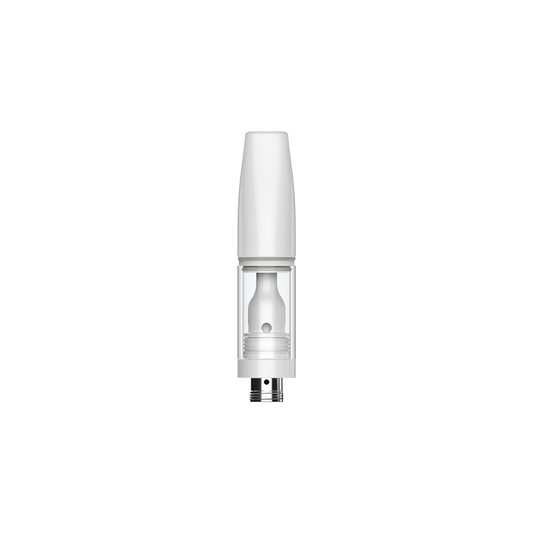
To understand how modular vapor systems operate, it helps to start by answering a fundamental user question: what is a 510 thread cartridge? A 510-thread cartridge is a replaceable tank engineered with an industry-standardized threading format—specifically, ten threads spaced at 0.5 millimeters. This universal connection design allows cartridges filled with various concentrates, such as distillate, live resin, or live rosin, to attach securely to compatible external power sources. The cartridge itself functions as an isolated unit containing a storage reservoir and an internal heating element, which requires a separate, reusable battery to supply the electrical current needed for vaporization.
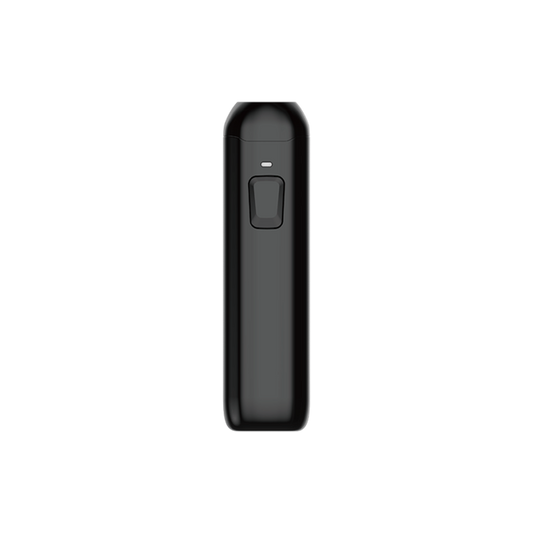
Operating a modular setup relies on utilizing reliable reusable 510 vape battery options to power the attached atomizer. Because the battery component is a separate investment, users can maintain a single power base while swapping out different oil profiles or formulations depending on their immediate preference. This two-part architecture provides significant flexibility, allowing users to move between distinct extract types throughout the day without needing to carry multiple complete devices or dispose of functional power components when an oil reservoir becomes empty.
From a performance standpoint, modular 510 systems frequently provide access to variable voltage settings, giving users precise control over their experience. For instance, lowering the voltage (typically between 2.4V and 2.8V) helps preserve delicate volatile terpenes and maximizes flavor translation, while increasing the voltage generates denser vapor clouds. To maintain consistent electrical connectivity and prevent performance degradation over time, users must perform basic maintenance, such as keeping the metal contact pins clean and clearing any minor oil accumulation with isopropyl alcohol.
The Core Differences in the 510 Thread Cartridges vs Disposable Vapes Debate
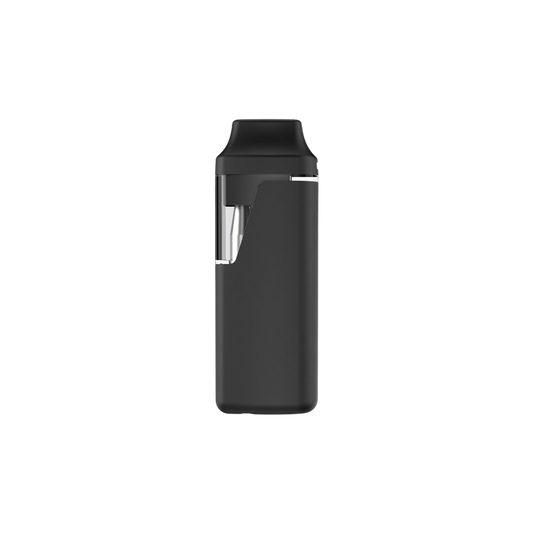
When evaluating the direct comparison of 510 thread cartridges vs disposable vapes, the structural difference centers on integrated single-unit designs versus decoupled multi-piece assemblies. Integrated setups contain the battery cell, internal circuitry, and oil reservoir within a permanently sealed housing that requires no assembly before operation. Conversely, the modular path keeps the power source and the extract chamber completely independent. This fundamental design distinction creates noticeable differences in everyday usability, initial retail pricing, and the long-term cost per gram of oil for the consumer.
The trade-offs inherent in the disposable vape vs cartridge decision usually involve balancing lower upfront costs against ongoing value. Single-use integrated devices feature a minimal barrier to entry because they arrive fully charged and ready to use immediately out of the box, making them popular for travel or temporary use. However, purchasing a complete hardware set with every unit means that buyers pay for a new battery cell and internal housing with each acquisition, making integrated units more expensive over extended periods compared to simply replacing individual threaded tanks.
To assist product developers and procurement managers in reviewing these two primary hardware categories, the matrix below details key operational differences based on standard design benchmarks.
Note: The metrics provided in this matrix represent an editorial comparison and general buying reference rather than official laboratory test data.
| Hardware Dimension | 510-Thread Cartridge Systems | Integrated Disposable Hardware |
| Initial Upfront Cost | Higher (Requires separate battery purchase) | Lower (Turnkey unit included in single purchase) |
| Long-Term Consumable Cost | Lower (Ongoing purchases limited to cartridges) | Higher (Hardware costs recur with every unit) |
| Operating Voltages | Variable (Typically user-adjustable via battery) | Fixed (Pre-set during manufacturing process) |
| Hardware Components | Two-Piece (Modular tank + detached power cell) | One-Piece (Fully sealed, self-contained unit) |
| Maintenance Requirements | Low to Moderate (Requires periodic pin cleaning) | None (Device discarded upon oil depletion) |
| Hardware Customization | High (Mix-and-match across compliant brands) | Fixed (Form factor and air intake are permanent) |
Analyzing User Control: Are 510 Cartridges Better Than Disposables for Performance?
A frequent query among experienced consumers and product formulators is whether are 510 cartridges better than disposables when evaluating vapor quality and consistency. The answer depends largely on how closely the hardware configuration matches the physical properties of the specific oil extract. Traditional integrated devices generally utilize a single, fixed voltage setting optimized for average oil viscosities. While this delivers consistent results for standard distillates, a fixed power output can occasionally lead to overheating or dry hits if used with thicker, delicate concentrates like solventless live rosin.
To overcome the limitations of traditional fixed configurations, modern hardware lines utilize sophisticated energy delivery systems. Implementing advanced platforms like the OMNI smart vape system allows hardware providers to integrate dynamic heating profiles into various device form factors. This approach utilizes smart power management to adjust output voltages during a draw, preventing thermal degradation of the oil and ensuring optimal flavor retention without requiring manual calibration from the user.
For brands focusing on premium extracts, utilizing adjustable modular configurations or highly tuned integrated hardware ensures the extract vaporizes at temperatures that preserve its original properties. Offering hardware with variable settings or pre-calibrated internal profiles helps protect the product against common user errors, such as applying excessive heat that can scorch the materials. Ultimately, neither format is universally superior; instead, success depends on choosing hardware with technical specifications that match the viscosity and terpene content of the specific oil batch.
Environmental Impacts and Resource Management in Disposable Vape Hardware
The growing use of integrated vaporizing devices has made environmental sustainability and industrial resource management central topics for regulatory bodies and consumer groups. Because single-use hardware designs require the entire unit—including the integrated lithium-ion battery cell and outer shell—对 be discarded once the internal oil reservoir is empty, they contribute more to electronic waste (e-waste) than modular systems that reuse the primary power source. Concerns are frequently raised regarding the resource footprint of adding complex components, like digital LED screens, to single-use configurations.
Safety concerns also arise from improper handling of spent hardware components. Due to the presence of internal lithium batteries, attempting to manually dismantle or extract components from spent integrated devices for DIY projects poses risks of short circuits or thermal hazards. Safety professionals emphasize that consumers should never attempt to modify or puncture vaporizing hardware. Instead, spent devices should remain fully intact and be managed through structured collection channels to prevent environmental contamination or safety risks in standard waste streams.
Improving the environmental profile of the industry requires a coordinated approach involving hardware engineering, brand initiatives, and responsible consumer disposal. Many manufacturers are researching structural designs that simplify recycling, such as using fewer mixed polymers or developing solderless internal connections that facilitate automated component recovery. Sourcing teams can contribute to these sustainability efforts by working with compliant suppliers and encouraging consumers to use local electronic waste collection programs and battery recycling points instead of discarding devices in regular municipal waste.
Wholesale Procurement and Custom Sourcing for Extraction Brands
For commercial oil brands and high-volume distributors, selecting a hardware setup involves evaluating supply chain logistics, manufacturing precision, and strict regulatory compliance. When purchasing wholesale quantities of 510 thread vape cartridges or integrated systems, procurement managers must evaluate the production standards of their manufacturing partners. Sourcing components from facilities that adhere to certified Good Manufacturing Practices (GMP) helps ensure that batch-to-batch variations remain within strict engineering tolerances, which minimizes the failure rates that can impact retail operations.
Furthermore, hardware safety and regulatory compliance require thorough laboratory testing, particularly regarding heavy metal safety. High-quality hardware must be constructed from stable, durable materials—such as medical-grade stainless steel, high-purity ceramics, and heat-resistant glass—to prevent contaminants from interacting with the oil during storage or use. Wholesale buyers should verify that their suppliers provide independent laboratory certificates of analysis (CoAs) for raw components to ensure compliance with regional consumer protection standards before starting large-scale filling operations.
For brands looking to establish a distinct market presence, standard off-the-shelf options can be enhanced through custom vape design and manufacturing services. Partnering with an experienced Original Equipment Manufacturer (OEM) or Original Design Manufacturer (ODM) allows extraction brands to develop custom form factors, tailored aperture sizes, and unique branding elements. This level of customization ensures that the final hardware configuration aligns precisely with both the brand's aesthetic goals and the technical demands of their specific oil formulations, resulting in a predictable and reliable end-user experience.
Conclusion
Choosing between 510 thread cartridges and disposable vape hardware requires balancing user convenience, long-term costs, technical performance, and environmental responsibility. Integrated single-use devices provide simple, turnkey operation that appeals to traveling users or those who prefer a straightforward experience with no assembly required. Conversely, modular 510-threaded configurations offer better long-term value, reduced electronic waste, and adjustable voltage options that allow users to customize their performance settings to suit specific oil characteristics.
For commercial enterprises and extraction laboratories, the decision should be guided by oil viscosity profiles, target retail positioning, and corporate environmental goals. Working with an established and compliant hardware supplier like iKrusher allows businesses to access reliable manufacturing options, whether sourcing standard components in bulk or developing unique, custom-engineered hardware systems. As market standards and consumer preferences continue to evolve, maintaining strict quality control and matching internal hardware specifications to your oil inputs remain essential for building a successful brand.
FAQ
Q1: What is the primary difference when comparing a disposable vape vs cartridge setup?
A1: The main difference is structural integration. A disposable vape is a self-contained, single-use device where the battery, heating core, and oil reservoir are built into one sealed housing that is ready to use immediately. A cartridge setup is a modular system consisting of a replaceable oil tank that must be attached to a separate, reusable battery to function.
Q2: Are 510 cartridges better than disposables for preserving oil flavor?
A2: 510 cartridges often provide better flavor control because they are typically paired with reusable batteries that feature variable voltage settings, allowing users to lower the temperature to protect delicate terpenes. Traditional disposables often use a single, fixed voltage that may run too hot for certain low-viscosity extracts, though modern integrated devices utilizing advanced power systems can achieve similar temperature management.
Q3: What features should brands look for when choosing wholesale 510 thread vape batteries?
A3: Brands purchasing wholesale power sources should prioritize variable voltage controls to accommodate different oil weights, reliable battery capacities (measured in mAh), durable construction materials, and clean electrical connections. It is also important to ensure the manufacturer follows strict quality control standards to maintain low defect rates across high-volume shipments.
Q4: How should adult consumers handle the disposal of empty integrated vape hardware?
A4: Because integrated vape hardware contains built-in lithium-ion batteries and electronic circuitry, it should not be thrown into regular household trash. Users should collect their spent devices and drop them off at designated electronic waste recycling centers or look for brand-sponsored hardware take-back programs that comply with local environmental regulations.
Q5: Can oil brands customize both 510 cartridges and disposable formats for their product lines?
A5: Yes, both hardware formats can be customized through commercial OEM and ODM services. Brands can adjust physical aspects such as intake hole dimensions, tank capacities, outer materials, and custom color options to ensure the hardware matches their visual brand guidelines and functions properly with their specific oil viscosities.
Source
● 510 thread cartridges vs disposable vapes: https://mellowfellow.fun/blogs/learn/carts-vs-disposables-guide
● what is a 510 thread cartridge: https://gpen.com/pages/vape-cartridge-and-510-battery-guide
● disposable vape vs cartridge: https://greenherbalcare.com/blogs/news/carts-vs-disposables
● are 510 cartridges better than disposables: https://getsmacked.online/disposables-vs-510-cartridges-vs-pod-systems/