Postless vs. Center Post: Choosing the Right Vape Hardware for Your Oil

Today’s cannabis vape market generally relies on two core heating designs: center post and postless vape hardware. Each option offers clear advantages depending on the oil, along with a few tradeoffs to keep in mind. In this post, we’ll break down how each design works, where each one shines, and which oil types they’re best suited for. The goal is simple: fewer clogs, better-performing hardware, and a smoother experience for your customers. And as every brand knows, happy customers become repeat customers. Let’s get into it.
What Is the Difference Between Postless and Center Post Vape Hardware?
Postless and center post vape hardware, including the postless vape cartridges and AIOs, as well as traditional center post cartridge designs, don’t just look different—they’re built, heat, and deliver vapor differently, each in its own unique way. Understanding those nuances is important when matching hardware to your oil formulation, especially since viscosity and consistency vary significantly between extracts.
At their most basic level, both designs are built to vaporize cannabis oil efficiently, though they go about it in different ways. Center post hardware, including 510 carts and AIOs use a central tube to guide airflow and support the heating system, whereas postless hardware removes that tube altogether, opening up the chamber and changing how the oil interacts with the heating element.
These structural differences have a real impact on performance. They affect how oil flows within the hardware, how it heats, the clarity of the oil window, and how the vape performs overall. The hardware type also influences flavor consistency, vapor production, and the likelihood of clogging.
So what does all this actually mean for your brand? Let’s break down the strengths of each design and how to choose a fit based on oil type and viscosity.
Structure
The most obvious difference between the two designs is their underlying structure, which affects how they look, perform, and handle the oil. Let’s take a look at what makes each design unique.
Center Post Hardware
Center post vape hardware is built around a time-tested, straightforward design: a metal post that runs up through the center of the vape or cartridge from the atomizer base. One of the main advantages of this layout is its direct vapor channel. The central tube creates a stable internal pathway for vapor. At the same time, the metal post serves as an electrical connection between the battery and the heating element, ensuring efficient power delivery.
With its integrated design, center post hardware is known for simplicity and durability. It reliably performs under repeated use and sustained heat, making it a dependable choice for many manufacturers.
Postless Hardware
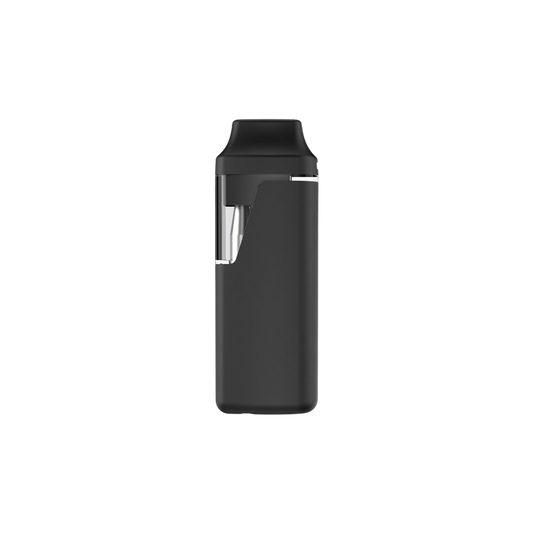
Postless vape hardware represents a modern evolution in design, built around a streamlined, open internal structure. As the name suggests, these devices eliminate the central post, resulting in a distinct layout and vapor pathway compared to traditional designs.
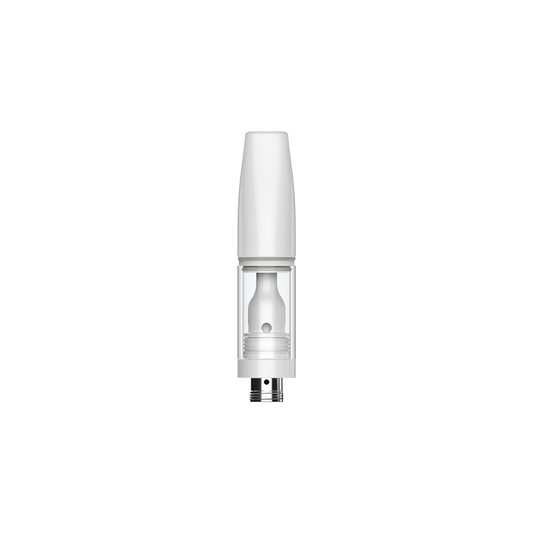
Instead of a center tube, postless hardware uses a flat or low-profile heating element at the base of the chamber. This creates a more direct interface between the heating surface and the oil. Without a central column, the chamber is unobstructed. Vapor forms at the base and travels upward through the entire device before exiting through the mouthpiece.
Performance
Beyond aesthetics, each design offers distinct performance characteristics. It all comes down to how well the oil can flow and wick within the hardware. Viscosity plays a major role in determining compatibility: thinner oils, such as distillates and terpene-rich live resins, flow easily, while thicker oils, such as live rosins, move more slowly.
Below, we’ll break down how each hardware type performs across different viscosity ranges.
Center Post Hardware
Center-post vape hardware, including AIOs and 510 cart designs, tends to perform best with lower-viscosity formulations. Their design relies on small intake aperture holes that regulate the flow of oil toward the heating element at a controlled rate. When the formulation is within the right range, this results in steady coil saturation and a more reliable user experience. However, performance depends on balance. If the oil is too thick, it cannot keep up with the heating cycle. If it's too thin, it can oversaturate the coil, leading to flooding or inconsistent draws.
Postless Hardware
Postless vape hardware, including cartridges and all-in-one devices, is built around an open chamber that allows efficient oil-to-heating-element contact. This design allows for steady vaporization by promoting even coil saturation and reducing oil-flow bottlenecks. Postless systems tend to perform especially well with medium- to high-viscosity formulations, including thicker extracts that benefit from direct contact with the heating surface. When paired with the right oil profile, this results in high-caliber vapor output and a dependable overall experience.
Clogging and Leaks — Which Is Better?
When it comes to clogging and leaks, there isn’t a one-size-fits-all answer. Performance depends largely on oil viscosity and how easily it moves through the hardware.
Center post hardware, with its smaller intake openings and a central airflow channel, helps control oil and prevent leaking or flooding when working with thinner distillates. The tradeoff is that those same small apertures can slow the oil down if it’s on the heavier side. When that happens, restricted oil movement toward the heating element can lead to residue buildup or clogging over time.
Postless hardware takes a different approach. By removing the need for the oil to pass through small intake holes, it eliminates many common choke points. The more open chamber design is optimized for handling thicker, more robust formulations without restricting flow.
That said, the same open design can make postless systems more sensitive to overfilling, temperature fluctuations, or mismatched formulations. Without the built-in flow restriction of a center post system, excess movement inside the chamber can sometimes lead to minor leaking.
In simple terms, center post designs offer better resistance to leaks with thinner oils, while postless hardware is often more effective at minimizing clogs with thicker formulations. The key with either system is alignment.
What Brands Should Consider
When brands are deciding between center-post and postless vape hardware, they should start with their oil. The viscosity and terpene content will largely determine how well the oil wicks and heats.
Brands with thinner oils are a good fit for vapes and 510 cart hardware with center posts. Center-post hardware with controlled intake will help stabilize performance and minimize leaks. In contrast, brands with thicker oils—such as high-quality extracts like live rosin, sauce, or heavier live resins—are better suited to postless hardware, which removes flow restrictions.
Other factors brands should consider include their desired flavor profile, production filling process, target market expectations, and storage conditions. A premium, flavor-forward oil may work best in postless hardware for its even heating, while a high-volume distillate vape line may thrive with the durability and ease of a center-post design.
The best hardware choice is the one that best supports the overall experience the brand wants to deliver.
iKrusher Postless Hardware
As a leading AIO and vape cartridge manufacturer, iKrusher offers an extensive range of postless AIO Disposable vape options and 510 thread cartridges. Check out these options optimized for thicker and higher-end oils:
Treno Pro
A sleek, postless all-in-one device that delivers refined vapor—especially with viscous oils like live hash rosin. Features a preheat function and a useful oil-viewing window.
Vona Pro
An advanced postless AIO designed for premium oils, featuring an ultra-compact form, optional digital display, and snap-fit capping.
Dano Pro
A postless 510 thread cartridge engineered for clean, consistent performance, featuring a transparent tank and optimized airflow for easy filling.
Avaz Pro
A postless vape cartridge with larger tank options that delivers pure hits with an unobstructed view. Designed for versatility and scale, ensuring enhanced flavor and production efficiency.
iKrusher Center Post Hardware
If you’re looking for center post hardware that can easily handle thinner formulations like distillates, check out these options:
Uzo Series
Ultra-compact, inhale-activated all-in-ones featuring a medical-grade stainless steel center post for purity and advanced ceramic coil technology.
Nord
Sleek, inhale-activated all-in-one vapes offering dual center post options in medical-grade stainless steel or zirconium ceramic for tailored, clog-resistant performance.
Tux
A versatile 510 cartridge featuring a center post in either medical-grade stainless steel or lead-free copper, designed for leak-resistant vapor delivery.
Karno
A 510-thread ceramic vape cartridge featuring a glass tank, an all-ceramic center post, and a ceramic mouthpiece, ideal for distillates and live resins, delivering ultra-smooth, refined vapor.
For brands sourcing at scale, working with a reliable supplier of wholesale vape cartridges and hardware, including disposable all-in-one devices, ensures consistency across batches and long-term cost efficiency.
In Closing
Whether postless or with a center post, no design is universally "better"—but one will be better for your specific oil formulation. At the end of the day, preventing clogs and leaks comes down to matching the extract with hardware.
If the oil is a thinner formulation, a center-post design that offers controlled flow will minimize leaks. If the oil is high-viscosity, a postless vape with no pinch points is likely the ideal choice. When brands properly align viscosity and hardware, they set themselves up for superior performance, fewer issues, and a better overall end-user experience.