What Is an All-in-One Vape? A Complete Guide to AIO Devices, 510 Cartridges, and Disposable Vape Hardware

The vape hardware industry continues to evolve rapidly, presenting adult consumers, oil brands, and wholesale procurement managers with a diverse array of hardware options. Selecting the right device layout can significantly affect product positioning, cost structures, and user satisfaction. For brands and retail buyers sourcing equipment from specialized manufacturers like iKrusher, understanding the mechanical differences between integrated systems and modular components is essential for making informed purchasing decisions. This guide provides an objective breakdown of current vapor delivery architectures, detailing how various configurations impact performance, efficiency, and resource management.
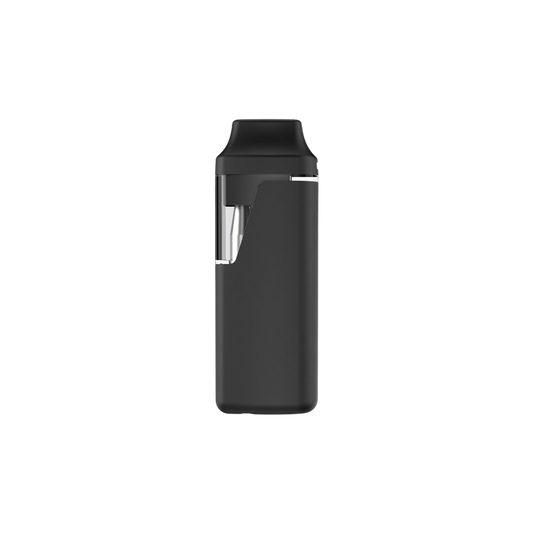
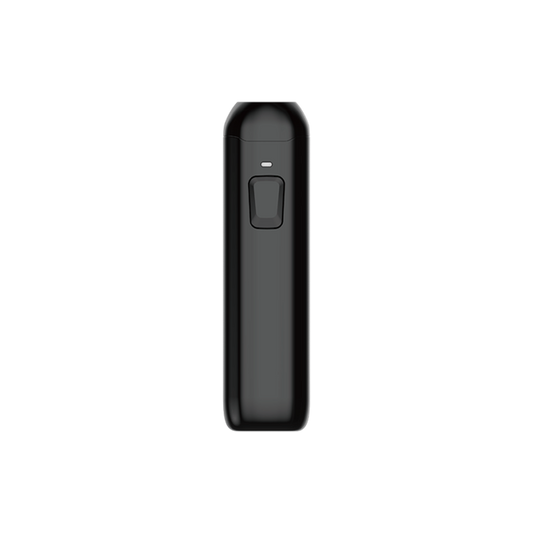
An all-in-one (AIO) vape is an integrated vaporizing system that unites the internal battery, heating element, and oil reservoir into a single, cohesive housing unit. Unlike modular systems that require users to connect independent pieces, these setups are engineered to operate immediately out of the box without complex calibration or assembly. This structural layout addresses a clear market demand for simplicity, reliability, and portability, making it a foundational category for modern product lines. To navigate this landscape effectively, procurement teams and product developers must evaluate how these single-unit options compare to traditional threaded configurations and advanced hardware technology, such as specialized 510 thread vape batteries and open-platform systems.
Defining the All-in-One Vape: Mechanics and Core Benefits
When exploring the foundational question, what is an all-in-one vape, the primary distinction lies in its self-contained architecture. In an AIO device, the power source and the oil storage tank are permanently paired during the manufacturing process. This eliminates the need for universal threaded interfaces or external attachment mechanisms. The internal circuitry is typically optimized for the specific resistance of the embedded heating coil, allowing for uniform vapor output and reducing the risk of component mismatching that can sometimes occur with multi-vendor modular systems.
For commercial oil brands and extractors, utilizing disposable all-in-one oil vapes provides a highly controlled delivery method for specific extract viscosities, including live resin, live rosin, and distillates. Because the battery output is calibrated precisely to the internal atomizer, brands can better safeguard their products against user errors, such as applying excessive wattage that could scorch delicate terpenes. This streamlined operational profile reduces customer friction, as end-users do not need to purchase separate components, manage external charging parameters, or adjust technical settings to achieve a consistent experience.
From a product design perspective, AIO configurations allow manufacturers to implement compact, ergonomic form factors that are difficult to replicate with multi-piece setups. The absence of external threads or modular seals minimizes potential physical points of failure, such as stripped threading or loose connections. This makes the hardware highly durable during transit and daily use. While individual user preferences vary, commercial market indicators show a sustained preference for integrated configurations among consumers who prioritize discreet use, immediate operational readiness, and straightforward maintenance over deep hardware customization.
All-in-One Vape vs 510 Cartridge: A Comparative Evaluation for Brands and Consumers
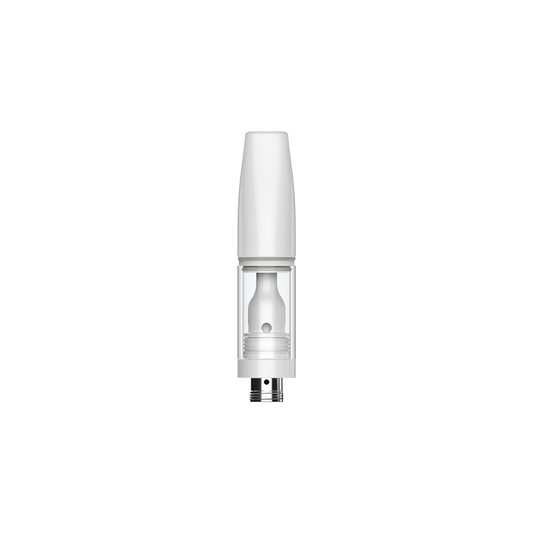
When analyzing the operational differences of an all-in-one vape vs 510 cartridge system, the core decision factor balances integrated simplicity against modular flexibility. A 510-threaded system relies on an industry-standardized 0.5-mm threading configuration, enabling consumers to attach pre-filled or refillable 510 thread vape cartridges to any compatible, separate battery unit. This open ecosystem allows users to easily swap out extract types or flavors on a single power source, offering a high level of versatility that integrated single-unit devices cannot inherently mirror.
From an economic perspective, modular systems generally offer improved long-term cost-effectiveness for the end-user. Once an adult consumer invests in a reliable, rechargeable battery base, their ongoing expenses are limited exclusively to purchasing replacement cartridges. Conversely, traditional all-in-one devices require the entire physical structure—including the battery cells—to be replaced once the internal oil reservoir is depleted. For brands, however, AIO devices represent a premium, turnkey product category that commands distinct retail real estate due to its immediate convenience and low barrier to entry for new users.
To help product development teams and procurement managers compare these two prominent design methodologies, the following table outlines key performance and operational characteristics.
Note: The ratings provided below serve as an editorial comparison and general buying reference, rather than specific laboratory test results.
| Evaluation Dimension | All-in-One (AIO) Integrated Systems | 510-Thread Modular Systems |
| Out-of-Box Readiness | Exceptional (No assembly or pre-charging required) | Moderate (Requires separate cartridge attachment) |
| Component Versatility | Fixed (Single extract chamber per device) | High (Compatible with diverse third-party tanks) |
| Long-Term Consumer Cost | Higher (Entire unit replaced upon oil depletion) | Lower (Only the cartridge component is replaced) |
| Brand Control Over Settings | Complete (Fixed voltage matched to coil resistance) | Variable (User-controlled voltage settings vary) |
| Physical Profile & Footprint | Ultra-Compact (Streamlined, no visible joints) | Extended (Varies based on battery and tank pairing) |
| Hardware Technical Leakage Risk | Low (Internalized plumbing and sealed chambers) | Moderate (Dependent on threading and gasket quality) |
A Comprehensive Disposable Vape Hardware Guide: Technical Selection Criteria
Developing or sourcing a reliable product line requires a technical understanding of materials science and fluid dynamics. This disposable vape hardware guide highlights the critical internal mechanisms that dictate performance. The center of any high-performing vaporizing device is its atomizer design. Modern industrial standards have shifted heavily toward advanced porous ceramic heating cores, which replace older quartz or cotton-wick systems. Ceramic structures provide uniform heat distribution across the entire surface area, mitigating hot spots and ensuring clean flavor translation across varying extract viscosities, from thin distillates to thick, solventless concentrates.
Beyond heating elements, airway engineering and fluid path isolation are vital components of modern hardware selection. Postless hardware designs represent a major advance in this category. By removing the central metal chimney tube from the reservoir chamber, manufacturers can reduce the total surface area of metal coming into direct contact with the oil. This minimizes oil retention issues, maximizes the utilization of fills, and reduces structural vulnerabilities that contribute to clogging or leaking. Furthermore, implementing proper intake hole sizing tailored to the exact viscosity of the specific oil batch prevents issues like dry hits from restricted flow or flooding from overly large ports.
As vapor hardware technology advances, cross-platform systems are becoming more common to help manage device performance over time. Integrating intelligent power delivery, such as the OMNI smart vape system, allows manufacturers to program precise heating curves into the device hardware. This technology can adjust voltage dynamically during a single draw, preventing the coil from overheating during extended inhalations and protecting delicate oil compounds from thermal degradation. When sourcing wholesale quantities, buyers should evaluate these technical features to ensure the chosen hardware can handle the physical properties of their specific oil inputs under various environmental conditions.
Environmental Considerations, Resource Management, and Responsible Hardware Disposal
The widespread adoption of integrated vaporizing systems has brought environmental sustainability and resource management to the forefront of industry discussions. Because many traditional AIO devices are intended for single-use lifecycles, the disposal of these units can contribute to electronic waste (e-waste). This waste stream includes valuable materials such as lithium-ion battery cells, copper wiring, and various polymer plastics. Consumer feedback and industry analysts point out that adding features like digital LED screens or complex user interfaces to fully disposable units increases the complexity of the e-waste stream, highlighting the need for more sustainable manufacturing practices.
In response to these challenges, some consumers attempt manual battery reclamation, extracting lithium cells from spent devices for DIY electronics projects. However, industry engineers and safety professionals strongly advise against independent disassembly or modification of electronic vape components. Attempting to puncture, solder, or recharge unshielded battery cells extracted from disposable hardware poses safety risks, including short circuits, thermal runaway, and potential fire hazards. Commercial brands and hardware suppliers should proactively include clear handling instructions on product packaging, steering users away from dangerous modifications and toward structured collection methods.
Addressing the environmental footprint of vapor products requires cooperation between hardware manufacturers, brands, and local waste management organizations. The industry is actively exploring options like biodegradable outer shells, solderless internal assemblies that simplify automated recycling, and dedicated hardware take-back initiatives. Wholesale buyers and product developers can support these efforts by choosing hardware built for clean disassembly or by launching brand-sponsored recycling programs. Users should always check local electronic waste guidelines and battery recycling protocols rather than placing spent devices into standard municipal trash streams, helping reduce the risk of landfill contamination and resource loss.
Wholesale Procurement and Custom Sourcing for Commercial Vape Brands
For commercial enterprises, scaling a product line requires balancing production efficiency, supply chain consistency, and regulatory compliance. When purchasing wholesale vape hardware, procurement teams must look past surface-level aesthetics and thoroughly evaluate the manufacturer's quality control systems. Partnering with facilities that follow strict Good Manufacturing Practices (GMP) and hold ISO certifications helps ensure that batch-to-batch variations remain within tight tolerances, reducing the risk of device failure rates that can harm a brand's reputation in competitive retail markets.
Furthermore, hardware compliance requires thorough laboratory validation, particularly regarding heavy metal testing. High-quality hardware components must be engineered from stable, heavy-metal-compliant materials—such as medical-grade stainless steel, high-purity ceramics, and food-grade plastics—to prevent contaminants from leaching into the oil over time. Wholesale buyers should always request comprehensive, independent laboratory certificates of analysis (CoAs) for the raw hardware to confirm it meets or exceeds local consumer safety standards before committing to large-scale production orders.
+-----------------------------------------------------------------+
|               Commercial Sourcing Workflow                      |
+-----------------------------------------------------------------+
|                                                                 |
|  [Extract Analysis] --> [Viscosity & Terpene Profiling]          |
|                                                                 |
|  [Hardware Selection] --> [Ceramic Coils & Postless Options]     |
|                                                                 |
|  [Compliance Check] --> [Heavy Metal Verification & CoAs]       |
|                                                                 |
|  [Brand Alignment] --> [Custom Aesthetics / Form Factors]       |
|                                                                 |
+-----------------------------------------------------------------+
In crowded retail markets, standing out visually is often key to commercial success. While standard off-the-shelf components provide a faster path to market, established operations frequently utilize custom vape design and manufacturing to create unique form factors, custom branding, and bespoke color schemes. Working with a dedicated Original Equipment Manufacturer (OEM) or Original Design Manufacturer (ODM) allows brands to build proprietary vapor devices from the ground up. This structural customization ensures the hardware perfectly matches both the brand's visual identity and the technical requirements of their oil formulas, providing a reliable and distinct user experience.
Conclusion
Selecting the right vape hardware architecture requires balancing user convenience, financial considerations, technical performance, and environmental responsibility. All-in-one integrated devices offer an easy-to-use, reliable, and uniform vaporization experience, making them an excellent choice for targeted product lines and consumers who prefer simple operation. On the other hand, modular 510-threaded cartridge systems provide flexibility and long-term cost advantages that appeal to consumers looking for a customizable experience. Each design approach serves distinct market segments and fulfills specific operational roles within the broader consumer landscape.
For brands, retailers, and extraction laboratories, the choice of hardware should align with the physical properties of the oil extract, target retail pricing, and the brand's long-term sustainability goals. Partnering with an experienced, compliant hardware manufacturer like iKrusher allows businesses to access verified, high-quality manufacturing paths, whether utilizing standard wholesale components or developing bespoke, custom-engineered products. As regional regulations and consumer expectations evolve, staying informed on materials compliance, technical advancements, and responsible disposal methods will remain essential for building a resilient and successful brand.
FAQ
Q1: What defines an all-in-one vape compared to alternative vapor systems?
A1: An all-in-one vape is a single, integrated device where the battery, oil reservoir, and ceramic heating element are permanently connected during manufacturing. Unlike modular systems, it requires no assembly, external threading adjustments, or component matching before use, operating as a self-contained unit that is typically discarded or recycled once the internal extract is fully consumed.
Q2: Can a user refill an all-in-one disposable vape once the oil runs out?
A2: The majority of all-in-one disposable devices are engineered as sealed, single-use systems to prevent leaking, contamination, and sub-optimal performance caused by wear on the internal heating element. Attempting to force open a sealed reservoir can damage the internal components or battery connections, so it is generally not recommended. For users seeking refillable options, modular cartridge systems or open pod systems are more appropriate choices.
Q3: Are 510 cartridges universally compatible with all vape batteries on the market?
A3: The "510" designation refers to a standardized threading specification (10 threads at 0.5-mm spacing), making these cartridges compatible with the vast majority of standard vape batteries. However, complete compatibility can occasionally be limited by the physical shape of the battery housing—such as deep-set drop-in magnetic connections—or by specific power requirements, as some cartridges need precise voltage settings to function optimally without overheating.
Q4: What are the main safety risks associated with taking apart spent disposable vapes?
A4: Disassembling spent disposable devices to salvage the internal lithium-ion batteries carries notable safety risks for untrained individuals. Modifying unshielded cells without proper industrial tools can lead to accidental punctures, internal short circuits, thermal runaway, and potential fire or chemical hazards. Spent devices should be left intact and dropped off at designated electronic waste collection points.
Q5: How should commercial brands determine the proper intake hole size for their hardware?
A5: Choosing the right intake hole size depends primarily on the viscosity and terpene content of the specific oil formulation. Thick, minimally processed extracts or distillates generally require larger intake holes (such as 2.0mm) to ensure steady flow to the heating core, whereas thinner oil blends require smaller ports to prevent oversaturation, flooding, and leaking through the base of the airflow path.
Source
● {{what is an all-in-one vape}}: {{https://fanoftheplant.com/all-in-one-vape/}}
● {{all-in-one vape vs 510 cartridge}}: {{https://herbaliq.org/blog/carts-vs-all-in-one-vapes/}}
● {{disposable vape hardware guide}}: {{https://vapecityusa.com/blog/post/disposable-vapes-guide}}