California Cannabis Cafés: What AB 1775 Means for Licensed Cannabis Businesses

The legal landscape in California is shifting toward a more experiential consumer market, moving past the traditional retail model into social spaces. With the introduction of Assembly Bill 1775 (AB 1775), the state is opening new pathways for business owners to expand their operations. This article is designed for adult vape users, vape brand strategy teams, retailers, and wholesalers looking to understand how these legislative updates might influence consumption habits and product demand. We will explore the core objectives of this bill, the potential operational opportunities it creates, and the key regulatory hurdles businesses must navigate.
As the market prepares for these structural shifts, staying informed about hardware compliance and consumer preferences is essential for maintaining a competitive edge. Please note that regulations may vary by location, and businesses should verify local requirements before making product or sourcing decisions. Working closely with an experienced vape hardware supplier can help brands adapt to changing consumption environments effectively.
The Core Objectives of California Assembly Bill 1775 (AB 1775)
The primary intent behind AB 1775 cannabis legislation is to provide a much-needed economic boost to the state’s legal marketplace. Many operators have faced intense pressure from market compaction and operational overhead. By allowing qualified retailers to diversify their revenue streams, lawmakers hope to foster a more resilient commercial ecosystem. The bill aims to transition environments from transactional spaces into vibrant, community-centric "third spaces" where adults can socialize in a relaxed setting.
Beyond providing a social hub, the expansion of California cannabis cafés is viewed as a strategic move to combat the illicit market. By offering consumers an experiential, regulated environment that cannot be replicated by unlicensed operators, the state hopes to draw more foot traffic into legal compliance channels. Transforming a standard retail footprint into a space that mimics traditional lounges or cafés gives consumers a compelling reason to choose licensed establishments.
Operational Opportunities for Licensed Cannabis Consumption Lounges
For operators planning to launch or upgrade licensed cannabis consumption lounges, AB 1775 introduces a variety of new avenues for revenue generation. Businesses are permitted to sell non-alcoholic beverages and hot food prepared on-site, alongside hosting live entertainment and performances. This allows venues to sell tickets, book artists, and create a comprehensive nightlife or daytime hospitality experience that goes far beyond a simple retail transaction.
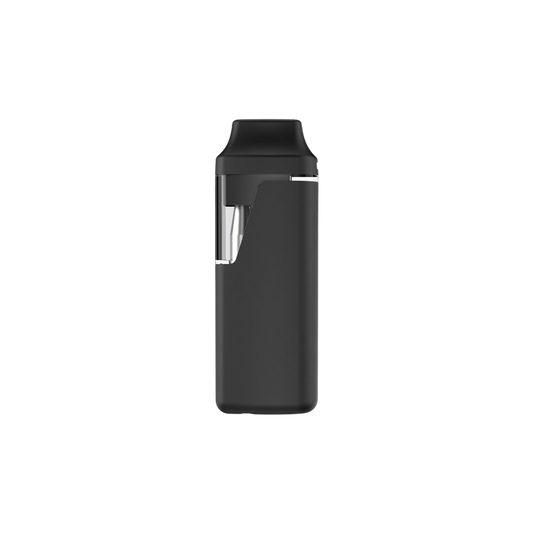
This shift also opens the door for unique product presentation and pairings. While some consumers will gravitate toward infused baked goods or specialized culinary offerings, others will seek clean, smoke-free inhalation methods that fit a social café atmosphere. To cater to these patrons, lounges and partnered brands are increasingly focusing on streamlined delivery formats. Offering reliable disposable all-in-one oil vapes at the point of sale or as part of a curated lounge menu allows businesses to provide a discreet, high-quality user experience that complements a dining or entertainment setting.
Navigating Regulatory Hurdles and Workplace Safety Concerns
While the bill presents significant upside, implementation is rarely without obstacles. A major point of discussion during the legislative process involved workplace safety protections, particularly regarding secondhand smoke exposure for café staff. Previous versions of similar bills faced vetoes due to concerns over undermining smoke-free workplace laws. Consequently, businesses looking to capitalize on these new café formats must pay close attention to ventilation requirements and local ordinances.
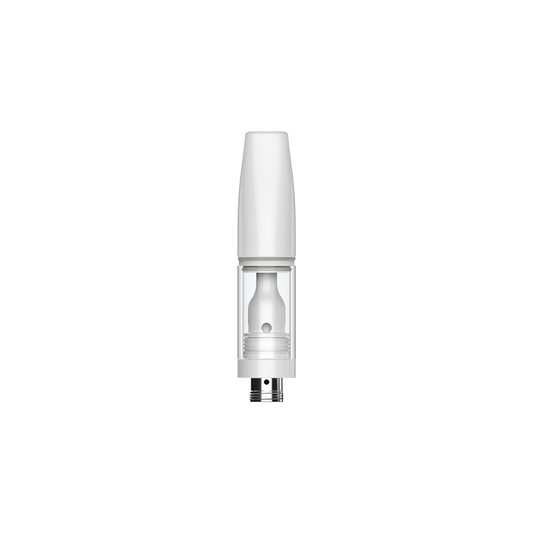
Because local jurisdictions retain the ultimate authority to permit or restrict these lounges, regulatory hurdles can vary drastically from one city to another. Enforcement priorities and zoning laws mean that operators must take a cautious, highly compliant approach to design. In areas where traditional smoking faces stricter pushback, vapor options often serve as a practical alternative. Brands that supply these venues frequently utilize advanced 510 thread vape cartridges to ensure a controlled, reliable output that minimizes heavy lingering smoke while maintaining optimal flavor profiles for the consumer.
The Impact of High Taxation and the Need for Diverse Revenue Streams
A common critique within the industry is that while café allowances are a step in the right direction, they do not entirely solve the broader issue of high state taxation. Operators frequently note that tax reform remains the most critical factor for long-term viability. Because tax rates heavily impact retail margins, businesses cannot rely solely on raw product sales to thrive; they must maximize the average order value through ancillary services, hospitality, and premium hardware pairings.
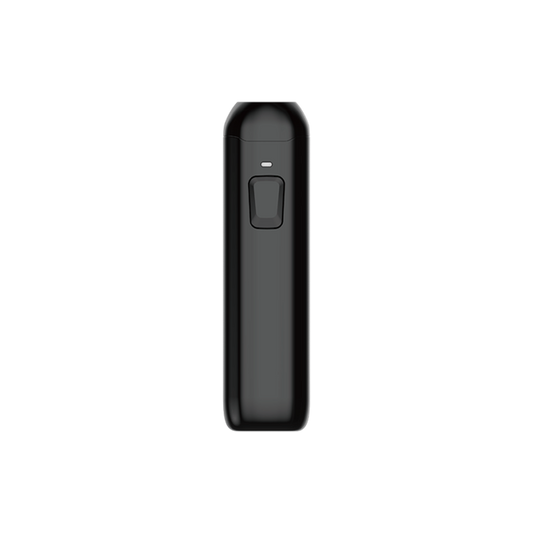
To protect profit margins under heavy tax structures, retail lounges must ensure their hardware offerings do not fail or leak, which leads to costly returns and dissatisfied guests. Ensuring that pre-filled options or house-recommended vaporizers are paired with dependable 510 thread vape batteries is a simple way to secure product consistency. When consumers experience seamless functionality during their visit, they are far more likely to perceive the premium pricing of a licensed lounge as justified.
Sourcing Hardware and Customization for the Lounge Experience
As consumption lounges become more integrated with hospitality, the visual identity and reliability of hardware become paramount. A café environment demands sleek, user-friendly devices that appeal to a broad demographic of adult consumers—from connoisseurs to mainstream tourists. Brands looking to supply these spaces must evaluate their product mix based on oil viscosity, extract type, and ease of use in a social setting.
To stand out in a competitive lounge marketplace, many brands choose to invest in custom vape design to align their hardware aesthetics with the interior branding of specific venues. Tailoring the exterior finish, aperture size, and heating technology ensures that the hardware performs perfectly with the specific oils being featured on the café menu. Whether utilizing proprietary pod system vape hardware or universal cartridge systems, businesses must focus on sourcing configurations that prioritize consistency and clear flavor translation.
Conclusion
The evolution of California cannabis cafés under AB 1775 represents a major milestone in how legal products are integrated into adult social life. For brands, wholesalers, and retailers, this transition highlights the importance of adapting product lines to match new consumer environments. Decisions should be guided carefully by oil viscosity, device format compatibility, and specific operational sourcing needs to ensure a premium consumer experience. As businesses explore these new hospitality frameworks, they must remain diligent regarding local ordinances. For specialized assistance in selecting compliant, high-performing hardware formats tailored for modern retail footprints, partnering with an established wholesale supplier like iKrusher can provide the operational reliability needed to scale effectively. Always consult local regulations and legal professionals to ensure complete alignment with ongoing statutory updates.
FAQ
Q1: What does AB 1775 allow cannabis businesses to do?
A1: AB 1775 allows licensed retailers in participating jurisdictions to prepare and sell non-alcoholic food and beverages, as well as host live entertainment or performances within their consumption spaces.
Q2: Are there still restrictions on workplace safety and smoking?
A2: Yes. Workplace safety and secondhand smoke exposure remain major compliance considerations. Local jurisdictions have the authority to enforce specific ventilation, structural, and operational mandates to protect employees.
Q3: How do California cannabis cafés impact the broader legal market?
A3: These cafés aim to boost the legal market by introducing experiential "third spaces" for socialization, helping licensed businesses compete more effectively against the illicit market by offering services that cannot be legally replicated elsewhere.
Q4: Can any dispensary open a café under this bill?
A4: No. Approval depends heavily on local municipal regulations, as cities and counties retain the right to restrict, ban, or add specific zoning hurdles for consumption lounges within their borders.
Q5: Why is hardware choice important for social consumption lounges?
A5: In a social hospitality setting, product reliability is crucial for customer satisfaction. Utilizing high-quality, leak-resistant hardware ensures that adult consumers enjoy a seamless experience without device failure interrupting their visit.
Source
- ● California cannabis cafés: https://www.kayapush.com/blog/top-6-cannabis-cafes-in-california-to-visit-in-2025
- ● AB 1775 cannabis: https://calmatters.digitaldemocracy.org/bills/ca_202320240ab1775
- ● licensed cannabis consumption lounges: https://la.eater.com/2024/4/19/24133316/cannabis-lounges-best-places-marijuana-weed-dining-west-hollywood-palm-springs