Vape Tank Battle: Glass vs. Plastic

Vape Tank Battle: Glass vs. Plastic
Which Material Is Right for Your Cannabis Vape Hardware?
Choosing the right vape hardware for your extract requires brands to weigh several variables, from all-in-one vs. cartridge designs to center-post vs. postless, battery capacity, airflow design, tank size, and more. But one of the most important decisions is often the least considered: the tank material.
At first glance, choosing between glass and plastic may seem straightforward. In reality, the decision is far more nuanced.
The material used for a vape's tank can influence everything from flavor and oil compatibility to overall durability, manufacturing costs, shipping efficiency, and the all-important consumer perception. Choosing the wrong tank material can affect everything from performance to brand reputation, while the right one can boost both customer satisfaction and profitability.
In this article, we'll explore the strengths and limitations of glass and plastic vape tanks, examine which materials pair best with different cannabis formulations, and help brands choose the best solution for their specific goals.
What Are Glass and Plastic Vape Tanks Actually Made From?
Not all vape tanks are created equal. A tank's performance depends not just on whether it is made from glass or plastic, but also on the specific type of glass or plastic.
Understanding the differences can help brands make more informed decisions when selecting hardware for distillates, live resin and live rosin, and other cannabis concentrates.
Glass Tanks
Glass is chemically inert, so it resists interactions with cannabinoids, terpenes, and other compounds commonly found in cannabis extracts. This helps preserve flavor integrity and maintain the oil's original characteristics throughout its lifespan.
Glass tanks also offer exceptional transparency, allowing consumers to easily assess oil color, clarity, and fill level. Beyond performance, glass carries a strong perception of quality and sophistication, making it a popular choice for premium products positioned toward discerning consumers.
Common Glass Materials Used in Vape Tanks:
Soda-Lime
Soda-lime glass is the most widely used glass material in consumer products and is made primarily from silica, soda, and lime. It offers excellent clarity and cost efficiency, making it a practical option for many standard vape tanks and oil reservoirs.
Quartz
Quartz glass is an ultra-pure material valued for its outstanding heat resistance and flavor preservation properties. Often considered one of the highest-performing glass options, quartz is frequently used in specialty vape products where purity and consistent performance are critical.
Borosilicate
Borosilicate glass is widely regarded as the premium standard for cannabis vape hardware. Engineered for enhanced durability, thermal stability, and chemical resistance, it withstands temperature fluctuations while helping preserve the integrity of terpene-rich formulations. As a result, it has become a preferred choice for high-quality cartridges and all-in-one devices.
Plastic Tanks
Although glass is often associated with more premium vape hardware, modern plastics offer their own significant advantages that make them an attractive option for many hardware applications. Plastic reservoirs are highly durable, lightweight, and significantly more impact-resistant than glass. These characteristics help reduce breakage during manufacturing, filling, assembly, shipping, and retail handling.
For large-scale production programs, these physical advantages can translate directly into lower operational costs, reduced freight damage, and improved supply chain efficiencies. As a result, plastic remains an excellent choice for high-volume distillate products, value-focused brands, and disposable vape platforms where durability and cost efficiency are key priorities.
Common Plastic Materials Used in Vape Tanks
Just as there are different grades of glass, plastic materials also vary significantly. Understanding these distinctions is essential when evaluating compatibility with specific oil formulations.
PCTG
PCTG (Polycyclohexylenedimethylene Terephthalate Glycol-Modified) is a BPA-free copolyester known for exceptional clarity, durability, and chemical resistance. Its ability to closely resemble glass while offering significantly greater impact resistance has made it one of the most popular materials for modern vape reservoirs. PCTG provides an excellent balance of transparency, toughness, and manufacturing efficiency, making it especially attractive for large-scale production programs.
For brands running high-volume distillate product lines, PCTG tanks can help minimize shipping losses, reduce breakage rates, and keep hardware costs competitive without sacrificing performance.
Polycarbonate (PC)
Polycarbonate is an extremely durable plastic valued for its exceptional impact resistance and dimensional stability. Its strength and heat resistance make it particularly effective for structural hardware components that experience frequent handling or elevated temperatures.
Other Food-Grade Plastics
A variety of food-grade plastics are also used throughout the vape industry. Depending on the specific material selected, these plastics can provide varying levels of durability, chemical resistance, weight reduction, and cost efficiency while meeting industry safety requirements.
Why Many Vape Manufacturers Use PCTG for Tanks
PCTG offers a compelling blend of clarity, chemical resistance, durability, and manufacturing efficiency. Because consumers can easily see the oil inside and it has excellent impact protection, PCTG has become one of the most widely adopted reservoir materials in modern vape hardware.
Why Many Vape Manufacturers Use Polycarbonate Mouthpieces
While PCTG excels as a reservoir material, manufacturers often prefer polycarbonate for mouthpieces and structural components because of its higher heat resistance and exceptional toughness. This combination helps maintain durability even under frequent use and handling.
Why Tank Material Selection Matters
Tank material selection affects much more than physical durability. Different cannabis extracts interact with hardware materials differently, so matching extracts with hardware can affect flavor retention, long-term stability, shelf life, consumer satisfaction, and overall product quality.
Choosing the right material helps ensure that both the oil and the hardware perform as intended from filling to happy customer.
Matching the Right Tank Material to the Right Oil
The best reservoir material often depends on the oil formulation it will hold. Understanding these relationships helps brands maximize performance while minimizing potential compatibility concerns.
Distillates : Compatible with Both Glass and Plastic
Standard cannabis distillates are among the most hardware-friendly formulations available. Because they typically contain lower concentrations of volatile terpenes and maintain highly stable chemical compositions, distillates perform reliably in both glass and high-quality plastic tanks.
For value-oriented and high-volume product lines, medical-grade PCTG reservoirs offer a highly effective solution, providing durability, affordability, and dependable long-term performance without compromising the consumer experience.
High-Terpene Distillates : Glass Often Preferred
As terpene concentrations increase, material compatibility becomes more important. Terpenes are naturally occurring compounds that can be more chemically active than cannabinoids alone. For formulations with elevated terpene levels, borosilicate glass is often preferred for its highly inert surface and outstanding chemical resistance. This helps preserve flavor consistency and reduce the potential for material interactions during extended storage.
Live Resin : Frequently Paired with Glass
Live resin formulations are prized for their complex terpene profiles and robust flavor. Because these extracts contain a broader range of naturally derived compounds, many manufacturers prefer glass tanks to maintain terpene integrity and showcase the oil's full sensory experience. As a result, glass has become a common choice for premium live resin cartridges and all-in-one devices.
Live Rosin : Premium Oils Deserve Premium Materials
As one of the most premium cannabis concentrates available, live rosin is valued for its solventless extraction process and abundant native terpene content. To help protect these delicate compounds, many brands choose borosilicate glass whenever possible. Glass's inert nature can help preserve flavor fidelity while reinforcing the premium positioning of solventless products.
For many manufacturers, premium oil and premium reservoir materials are a natural pairing.
iKrusher Hardware Solutions
There is no one-size-fits-all answer for reservoir materials. That's why iKrusher offers an extensive lineup of vape hardware featuring both borosilicate glass and PCTG tank options. The best choice depends on the extract and the product line's goals. iKrusher provides brands with the flexibility to choose the tank material and hardware platform that best supports their vision.
iKrusher Glass Tank Hardware
For brands prioritizing flavor preservation, premium aesthetics, and compatibility with terpene-rich formulations, iKrusher offers a variety of hardware platforms featuring borosilicate glass tanks.
Eros SE
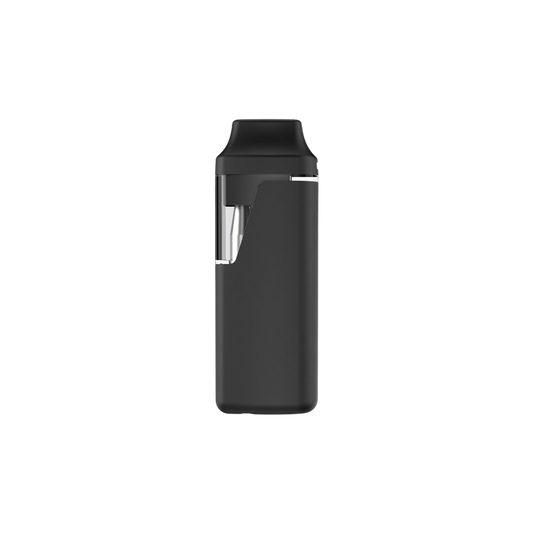
The Eros SE all-in-one vape combines a compact, modern design with a glass tank engineered to showcase oil clarity while helping preserve flavor integrity. Its inhale-activated operation, long-lasting battery, and straightforward filling process make it a versatile option for premium concentrate programs.
Calibr Series
Available in multiple configurations including the Calibr and Calibr Pro Max, the Calibr family of vape cartridges pairs a borosilicate glass tank with reliable 510-thread performance. Multiple tank capacities and a secure screw-on cap design give brands flexibility across a wide range of formulations.
Karno
These 510-thread carts are designed for brands seeking exceptional flavor expression. The Karno utilizes an all-ceramic center post and mouthpiece paired with a glass tank. Available in both 0.5 mL and 1.0 mL sizes, it is particularly well suited for premium distillate and live resin applications.
iKrusher PCTG Tank Hardware
For brands focused on durability, production efficiency, and value-driven product lines, iKrusher offers several vape hardware platforms featuring high-quality PCTG reservoirs.
Uzo Series
The Uzo Series of all-in-one vapes delivers a compact, lightweight format that uses the quality and durability of PCTG construction, making it an excellent option for high-volume disposable lines.
Fissa SE
An all-in-one vape with larger PCTG tank capacities, a clear oil-viewing window, and iKrusher's advanced iKonic Arc coil technology, the Fissa SE balances durability, performance, and consumer-friendly functionality.
Dano Pro
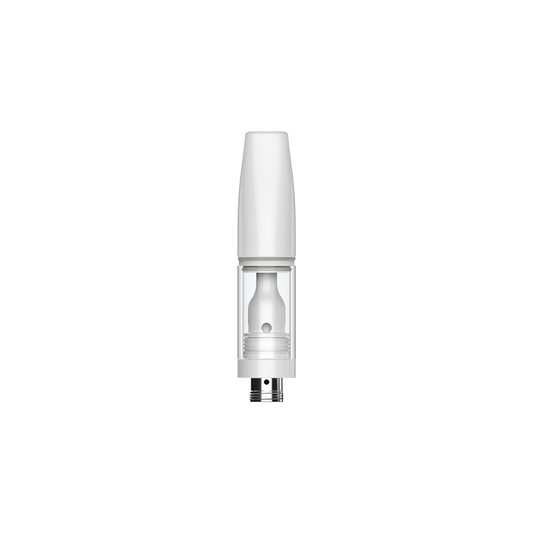
Dano Pro is a 510-thread cartridge that combines a transparent PCTG reservoir with a postless design engineered to support clean vapor production and flavor consistency. Its sleek profile and ergonomic mouthpiece make it a strong choice for brands seeking a modern cartridge platform.
Glass vs. Plastic: Which Is Better?
The truth is that neither material is universally better.
High-quality plastics such as PCTG offer excellent durability, lower manufacturing costs, lighter weight, and outstanding vaping performance for many distillate applications. For large-scale and cost-conscious product lines, plastic can deliver substantial business advantages.
However, when maximum flavor preservation, chemical resistance, and premium brand positioning are the goal, borosilicate glass remains the preferred choice for many terpene-rich formulations, including live resin and live rosin.
Ultimately, the best tank material complements the oil inside. By carefully matching tank material to the oil's characteristics, brands can protect product quality, improve consumer satisfaction, and create a more consistent vaping experience while optimizing costs across the supply chain.