Vaping CBD: Navigating Dosage, Effects, and Safety

Vaping CBD: What Brands Should Know About CBD Vape Hardware, Quality, and Compliance
The market for hemp-derived products has matured considerably, drawing significant interest from brands, retailers, and distributors looking to capitalize on evolving consumer habits. For those evaluating options within the space, understanding the intersection of product quality, material safety, and manufacturing transparency is critical. This article is designed for adult vape users, vape brand strategy teams, retailers, and wholesalers navigating the complex landscape of vaporized cannabinoids. We will explore the technical requirements of hardware selection, the necessity of third-party laboratory verification, and the operational hurdles of maintaining compliant supply chains. Because the legal and technical boundaries of this sector shift frequently, regulations may vary by location, and businesses should verify local requirements before making product or sourcing decisions. Working with a reliable component provider can provide the foundational support needed to manage these industry changes effectively.
The Critical Role of CBD Vape Hardware in Product Safety and Flavor Integrity
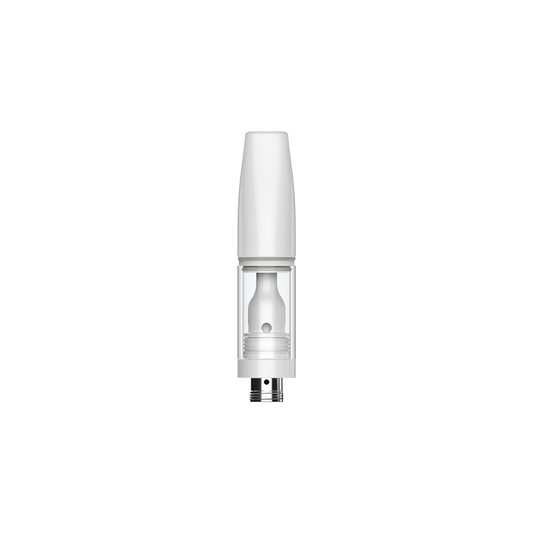
When developing a product line around vaping CBD, brands must realize that extraction quality is only one part of the consumer experience. Historically, a significant portion of consumer dissatisfaction and performance issues stems from low-quality hardware rather than the core extract itself. Unregulated components can introduce unwanted contaminants, including heavy metals or microplastics, into the aerosol. To prevent these risks, brands require premium 510 thread vape cartridges constructed with stable, inert ceramic materials that resist degradation when exposed to complex cannabinoid formulations.
These specialized cartridges distribute heat evenly without burning the extract, preserving the delicate terpene profiles of full-spectrum blends while preventing leakage and clogging. For B2B buyers, sourcing hardware that comes with verifiable material testing ensures absolute transparency from the factory floor to the retail shelf. Managing these variables properly directly protects a brand's market reputation and consumer trust. Choosing a reliable CBD vape cartridge format also allows brands to offer uniform dosing and cleaner flavor translation to their adult consumer base.
Navigating Power Requirements and Battery Compatibility for Thick Extracts
The physical characteristics of CBD extracts require precise thermal management to ensure a consistent vapor experience. Because raw hemp extracts are naturally dense and prone to crystallization, standard low-voltage setups may fail to vaporize the material effectively, leading to weak vapor production or rapid hardware failure. Conversely, exposing the extract to excessive heat can degrade the cannabinoids and generate a harsh, burnt flavor profile that alienates consumers.
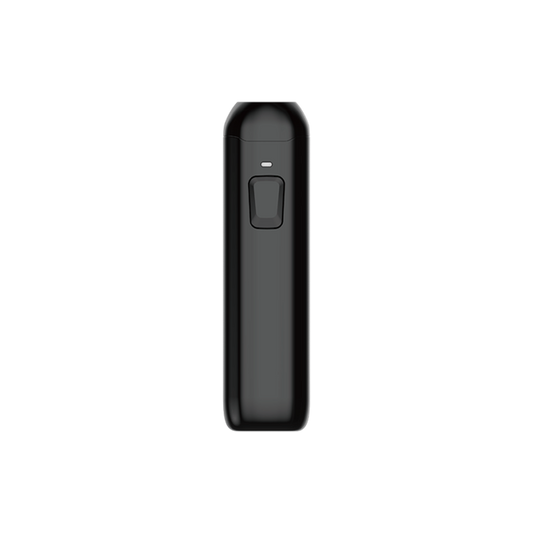
To mitigate this, brands and retailers must ensure their cartridges are paired with appropriate 510 thread vape batteries that offer stable power outputs or variable voltage settings. Providing consumers with adjustable power options allows them to customize their usage based on the specific thickness of the oil blend. Ensuring absolute hardware compatibility between the internal coil resistance and the battery's electrical output is a practical way for wholesalers to reduce product return rates and maintain operational efficiency.
Addressing Environmental Concerns and the Shift in Disposable Formats
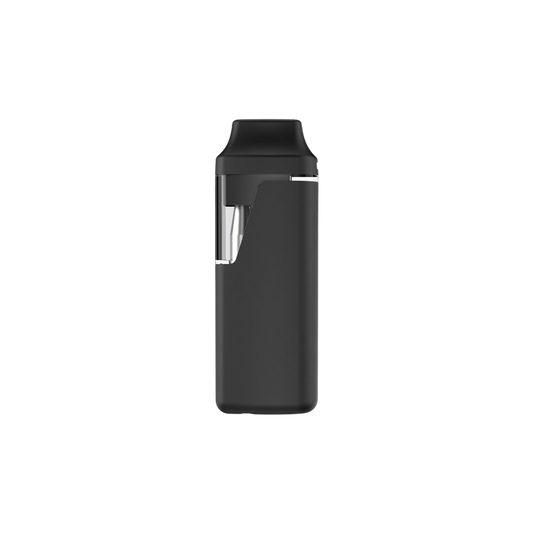
The modern market has seen a massive surge in the popularity of all-in-one devices due to their out-of-the-box convenience for the end user. However, the widespread adoption of single-use devices has created significant waste and recycling challenges, leading to increased environmental scrutiny from both consumers and regulators. For brands building long-term strategies, balancing consumer demand for convenience with sustainable product lifecycles is a growing operational necessity.
To address these concerns, manufacturers are focusing on creating more efficient disposable all-in-one oil vapes that maximize material utility, alongside expanding rechargeable options that extend the usable lifespan of the device. Ensuring that a disposable device features a rechargeable battery port allows the consumer to utilize every drop of extract without the battery dying prematurely, minimizing product waste. Sourcing hardware designed with recyclable or minimalist structural footprints can help brands appeal to environmentally conscious demographics while navigating potential local waste disposal mandates.
Compliance Hurdles, Changing THC Limits, and Shelf-Life Considerations
Operating within the hemp-derived marketplace requires continuous adaptation to shifting legal frameworks and state-level enforcement actions. One of the most pressing challenges for product formulation is managing the shifting statutory thresholds for total THC content, which can force brands to adjust their extract blends unexpectedly. Furthermore, because the overall industry lacks uniform federal standardization, operators must be incredibly diligent regarding compliance, batch tracing, and transparent product labeling to safeguard their distribution networks.
Inventory management presents another critical hurdle for wholesalers and retailers due to the natural shelf life of pre-filled vaporizers. Cannabinoid formulations can oxidize over time when exposed to air and light, and prolonged contact with inferior hardware components can accelerate oil discoloration or lead to heavy metal leaching. Brands should avoid purchasing excessive bulk inventory that sits in warehouses for longer than six months without specialized storage conditions. Evaluating the engineering behind CBD vape hardware—such as internal sealing mechanics and postless configurations—can significantly help mitigate oxidation risks during storage.
Brand Differentiation Through Customization and Sourcing Optimization
As the retail market becomes increasingly crowded, standing out on the shelf requires more than just a compliant label. Brands must differentiate their offerings through deliberate aesthetic choices, ergonomic designs, and reliable performance that commands a premium price point. Developing a signature hardware format allows an organization to establish strong brand equity and build lasting consumer loyalty in a highly competitive B2B environment.
常见问题
Investing in professional custom vape design allows brands to tailor the visual and physical properties of their hardware to match their specific corporate identity. From custom shell colors and distinct surface finishes to modified intake hole sizes optimized for a unique extract viscosity, customized engineering ensures optimal device performance. Partnering with a manufacturing specialist that provides end-to-end OEM and ODM solutions helps businesses streamline their product development cycles, control upfront capital expenditures, and launch scalable product lines with confidence.
Conclusion
Building a successful product portfolio in the modern marketplace requires a balanced focus on component safety, strict extract testing, and agile compliance management. Brands must evaluate hardware configurations based on their specific oil viscosity, shelf-life demands, and regional regulatory constraints to avoid distribution disruptions. Sourcing decisions should prioritize transparent material manufacturing and verified engineering standards over low-cost alternatives that risk device failure or contamination. For businesses seeking a trusted collaborator to navigate these operational complexities, partnering with an established supplier like iKrusher vape hardware ensures access to verified component standards and versatile production options. Ultimately, long-term commercial success depends on maintaining strict quality controls and staying aligned with local legislative updates. Always consult official state regulations, compliance experts, or legal professionals to ensure complete regulatory alignment in your target markets.
FAQ
Q1: Why is third-party lab testing critical for brands selling CBD vapes?
A1: Third-party lab testing independently verifies the exact cannabinoid content and ensures the product is free from heavy metals, pesticides, or residual solvents, which is vital for consumer safety and legal compliance.
Q2: How do changing total THC limits affect product formulations?
A2: Shifting regional laws regarding total THC limits may require brands to adjust their extract ratios (such as moving from full-spectrum to broad-spectrum or isolate blends) to remain below local statutory thresholds.
Q3: What causes some cartridges to produce a burnt taste when vaping CBD?
A3: A burnt taste can occur if the extract's viscosity is too thick for the intake holes, if the voltage setting on the battery is too high, or if the cartridge utilizes low-quality heating elements that distribute heat unevenly.
Q4: How long can pre-filled CBD vape products be stored before sale?
A4: Most pre-filled vapor products have a limited shelf life, typically recommended for distribution within six months. Prolonged storage can lead to oil oxidation, cannabinoid degradation, or hardware issues like leaking depending on storage conditions.
Q5: Can standard nicotine vape hardware be used for thick CBD oils?
A5: Generally, standard nicotine hardware is designed for thin e-liquids and may struggle with the high viscosity of dense hemp extracts, leading to clogging or incomplete vaporization. Specialized hardware with ceramic cores is usually recommended for thick oils.
Source
- vaping CBD: https://www.forbes.com/health/cbd/cbd-vape/
- CBD vape hardware: https://ikrusher.com/
- CBD vape cartridge: https://cbdoracle.com/picks/best-cbd-vape-cartridges/